
Heavenly Acres • January 13, 2026
What Your Dog’s Body Language Is Telling You
Dogs communicate constantly—often without making a sound. They use body language, facial expressions, and vocalizations to share how they’re feeling. Learning to understand these signals can help you respond appropriately to your dog’s needs, build trust, and strengthen the bond you share.
Tail Position & Movement: Decoding Your Dog’s Tail Language
A dog’s tail tells more than just excitement.
- Loose, wide wag → happiness and friendliness
- Low or tucked tail → fear, anxiety, or submission
- Stiff tail held high → alertness or possible aggression
- Fast, tight wag → overstimulation or tension
Always consider the tail along with the rest of the body for accurate meaning.
Ears: Reading Your Dog’s Ear Signals
Ear position can quickly reveal your dog’s mood.
- Relaxed or slightly forward ears → calm and attentive
- Ears pinned back → fear, stress, or appeasement
- Ears standing stiffly upright → alertness or potential threat
Dogs with floppy ears still show signals through subtle movement and tension.
Eyes: Interpreting Dog Eye Expressions
Your dog’s eyes provide powerful emotional cues.
- Soft, relaxed eyes → comfort and trust
- Whale eye (showing whites) → anxiety or discomfort
- Hard staring → warning or guarding behavior
Eye contact paired with a tense body is often a sign to pause or give space.
Body Posture: What Your Dog’s Stance Reveals
Posture gives context to every other signal.
- Loose, wiggly body → relaxed and happy
- Stiff, frozen posture → stress or potential aggression
- Cowering or lowered body → fear or submission
- Play bow (front down, rear up) → invitation to play
A relaxed dog looks loose and fluid, while tension often signals discomfort.
Facial Expressions & Mouth Signals
Dogs communicate heavily through their faces.
- Relaxed mouth or “smiling” expression → calm and content
- Yawning or lip licking → stress or appeasement
- Showing teeth with tension → warning sign
These subtle signals are often early indicators of stress.
Vocalizations: What Your Dog’s Sounds Mean
Sounds help reinforce body language.
- Barking → alerting, excitement, or anxiety (depends on context)
- Growling → discomfort or warning
- Whining → stress, excitement, or seeking attention
- Howling → communication or response to sounds
Listening to how and when your dog vocalizes helps clarify meaning.
Conclusion: Strengthening Your Bond by Understanding Dog Body Language
Understanding your dog’s body language allows you to respond with empathy, respect boundaries, and create a sense of safety. When dogs feel understood, they’re more relaxed, confident, and connected to their humans.
By paying attention to these cues, you improve communication, reduce stress, and deepen the trust that makes your relationship with your dog truly special.

Why Aftercare Decisions Matter Our pets are family. They greet us at the door, comfort us in quiet moments, and share countless memories throughout their lives. When they pass, the way we care for them afterward reflects the love and respect we held for them in life. Thoughtful aftercare, whether burial or cremation, allows families to pause, acknowledge their grief, and honor the life that meant so much. Choosing a final resting place or memorial option can help bring a sense of peace, knowing that your pet is being treated with dignity and compassion. Pet Burial: A Place to Visit and Remember Pet burial offers families a physical place to return to when remembering their pet. For many, having a dedicated resting place provides comfort and a lasting connection. A burial site can become a space for reflection, remembrance, and quiet visits over the years. Families often choose burial because it allows them to: Create a permanent memorial location Visit and spend time remembering their pet Place markers, plaques, or flowers Establish a peaceful place of tribute Pet cemeteries provide a protected environment where pets are cared for with respect, ensuring their resting place remains meaningful and preserved. Pet Cremation: Keeping Your Pet Close Cremation is another thoughtful option that allows families to keep their pet’s memory close in a different way. Many families find comfort in having their pet’s ashes returned to them, creating opportunities for personal remembrance. Cremation offers flexibility for families who may want to: Keep their pet’s ashes in a memorial urn Scatter ashes in a meaningful location Divide ashes among family members Create keepsakes such as jewelry or memorial items For many, cremation provides the ability to carry a piece of their pet’s memory wherever life leads them. Creating Meaningful Memorials Whether choosing burial or cremation, many families find comfort in creating a small memorial that celebrates their pet’s life. Memorials can be simple or personalized, but their purpose is always the same: honoring love and preserving memories. Families often choose to: Place engraved memorial plaques or markers Create clay pawprint impressions Display photos or shadow boxes Hold a small remembrance gathering with loved ones These gestures remind us that while our pets may no longer be physically present, the love they gave us remains. Choosing What Feels Right for Your Family There is no single “right” way to honor a pet. Some families feel peace in burial, others in cremation, and many simply choose the option that best reflects their personal beliefs and connection to their pet. What matters most is that the decision is made with love and respect. The goal is not perfection, but remembrance. Love That Continues Beyond Goodbye The bond we share with our pets does not end when they pass. The memories, lessons, and unconditional love they gave us remain woven into our lives. Pet burial and cremation are not just services—they are acts of gratitude. They allow families to say goodbye with dignity, preserve memories, and honor the extraordinary role pets play in our lives. Because while their time with us may feel too short, the love they leave behind lasts forever.
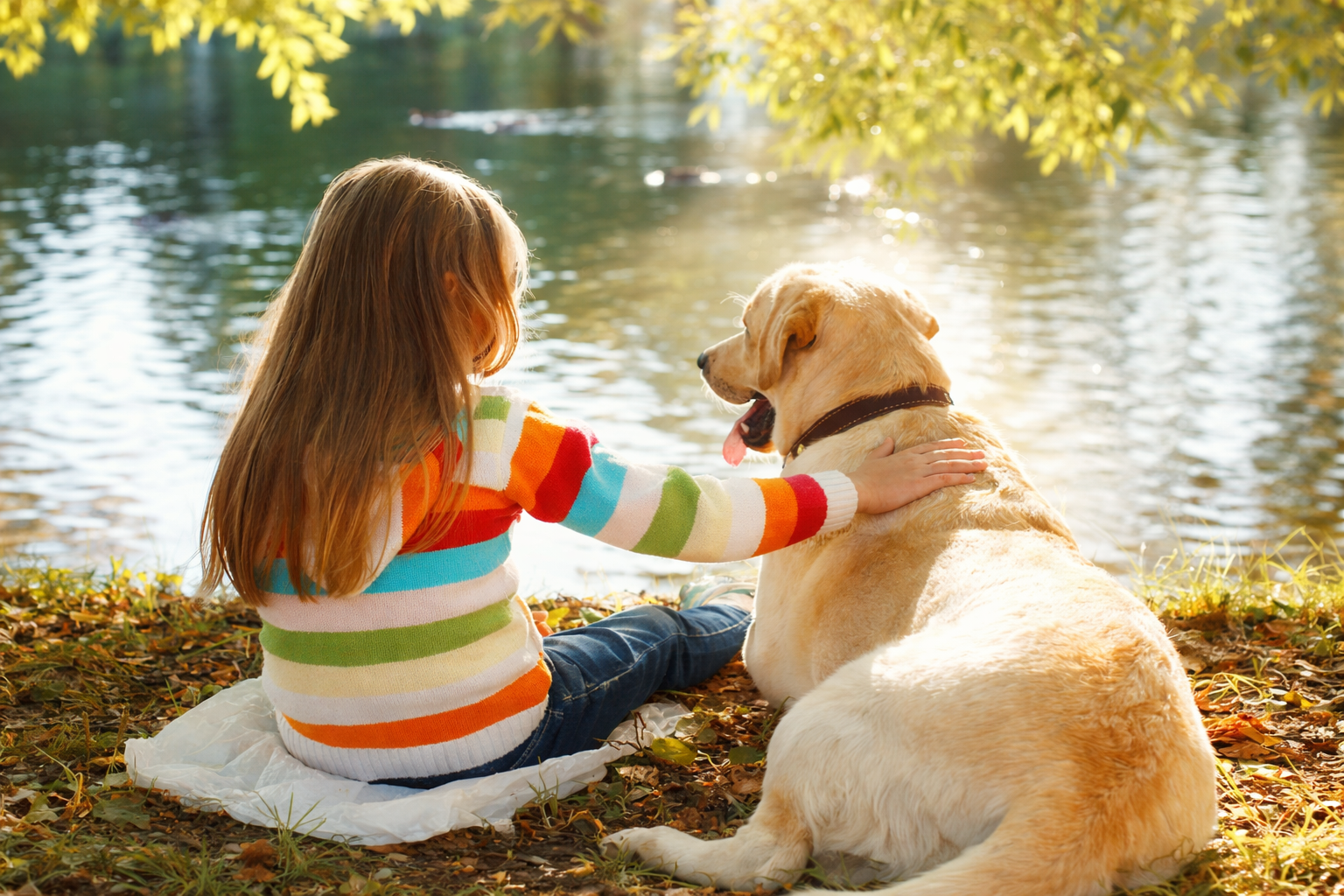
Why Pet Loss Can Be a Powerful Teaching Moment Pets love without conditions. They rely on us, trust us, and become woven into the fabric of our daily lives. When they pass, the grief that follows reflects the depth of that bond. Recognizing this loss as meaningful teaches an important lesson: love matters, and so does loss. When children see their feelings acknowledged and respected, they learn that compassion begins with understanding emotions, both their own and others’. Modeling Compassion Through Your Response Children often take emotional cues from the adults around them. How you grieve, speak about your pet, and honor their life shows children how to respond to loss with empathy rather than avoidance. Simple actions matter: Speaking kindly about your pet and the memories you shared Acknowledging sadness without trying to rush past it Showing that it’s okay to cry, remember, and reflect This modeling teaches children that compassion includes allowing space for emotions, not hiding from them. Encouraging Empathy and Emotional Awareness Pet loss can help children learn to recognize and respect feelings, both in themselves and in others. Encourage conversations about how the loss feels and how grief can look different for everyone. You might ask: “What do you miss most about them?” “How do you think they made our family better?” “How can we remember them in a loving way?” These gentle questions foster emotional awareness and help children develop empathy that extends beyond this moment. Honoring Love Through Remembrance Creating ways to remember a pet reinforces the idea that love doesn’t end when life does. Memorial activities allow children to express compassion through action and reflection. Ideas include: Creating a memory box or photo album Writing letters or drawing pictures for their pet Planting a tree or flower in their memory Participating in a small memorial or remembrance ceremony These rituals teach that compassion can be expressed through honoring, remembering, and caring for memories. Teaching Responsibility and Gratitude Reflecting on a pet’s life also opens the door to conversations about responsibility, care, and gratitude. Children can learn that loving someone, human or animal, means caring for them throughout their life and honoring them after they’re gone. This understanding builds respect for all living beings and reinforces kindness as a lifelong value. Carrying Compassion Forward The lessons learned through pet loss often stay with children long after the grief fades. They learn that love is worth the pain of loss, that emotions deserve respect, and that compassion makes space for both sadness and gratitude. While pet loss is never easy, it can plant seeds of empathy that grow into deeper understanding, kindness, and emotional resilience. By guiding children through grief with honesty and care, we teach them one of life’s most meaningful lessons: compassion is born from love, and love never truly ends.

Understanding How Children Experience Grief Children grieve differently than adults. Their emotions may come in waves, and they often move in and out of grief quickly. A child may cry one moment and want to play the next; this is normal and healthy. Younger children may not fully understand the permanence of death, while older children may experience deep sadness, confusion, or even guilt. Common reactions can include: Sadness or frequent tears Anger or frustration Changes in behavior or sleep Asking repeated questions about death Fear of losing other loved ones Every child’s response is unique, and there is no “right” way for them to grieve. Be Honest, Clear, and Age-Appropriate When explaining pet loss, honesty is essential. Use clear, gentle language that matches your child’s age and understanding. Avoid euphemisms like “went to sleep,” which can cause confusion or fear around bedtime or sleep. Let children ask questions, and be prepared to answer the same ones more than once. Repetition helps them process and make sense of what has happened. Encourage Open Expression of Feelings Create a safe space where your child feels comfortable expressing emotions without judgment. Let them know it’s okay to feel sad, angry, confused, or even not sad at all. Reassure them that all feelings are valid. Children may express grief through: Talking Drawing or coloring Writing letters to their pet Playing or storytelling Listening without trying to “fix” the pain is often the most powerful support you can offer. Reassure and Provide Comfort Children may worry that they caused the loss or fear that someone else they love will die soon. Offer reassurance often. Let them know they are safe, loved, and not to blame. Maintaining routines, like mealtimes, school schedules, and bedtime rituals, can also provide a sense of stability and comfort during an emotionally uncertain time. Honoring the Pet Together Including children in remembrance can help them feel connected and supported. Memorial activities allow children to say goodbye in their own way and celebrate the love they shared. Ideas for honoring a pet include: Creating a memory box with photos or keepsakes Drawing pictures or writing stories about favorite memories Planting a flower or tree in their pet’s memory Attending or holding a small memorial or burial service These moments can help children understand that while their pet is gone, the love remains. Allow Grief to Take Its Course There is no timeline for healing, especially for children. Grief may resurface during holidays, anniversaries, or when reminders appear. Continue to check in, listen, and offer comfort as needed. If a child’s grief seems overwhelming or begins to interfere with daily life for an extended period, seeking guidance from a counselor experienced in child or pet loss grief can be a helpful step. Teaching Compassion Through Loss While pet loss is painful, it can also be a meaningful opportunity to teach children about empathy, love, and remembrance. Supporting a child through grief shows them that loss is a part of life and that they don’t have to face it alone. By offering honesty, patience, and understanding, you help your child learn that love never truly ends; it simply changes form.
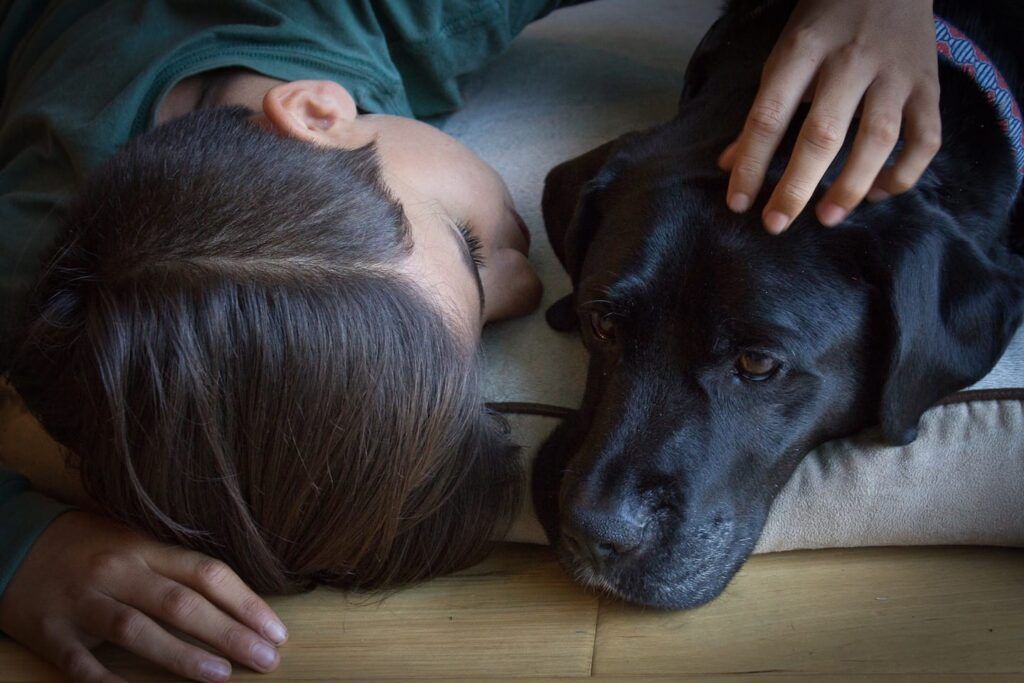
Understanding Pet Loss Grief Grief after losing a pet is often misunderstood or minimized, yet it can be profound. Your pet wasn’t “just an animal”; they were a companion, a source of unconditional love, and a constant presence in your life. It’s normal to experience a wide range of emotions, including sadness, guilt, anger, loneliness, or even numbness. These feelings don’t follow a timeline, and they may come in waves. Everyone grieves differently. Some people feel intense sorrow immediately, while others feel it later, often when a routine reminder appears: an empty bed, a food bowl, or a quiet moment that used to be shared. Allow Yourself to Grieve One of the most important steps in healing is giving yourself permission to grieve fully. Suppressing emotions or feeling embarrassed about your sadness can make the process harder. Cry if you need to. Talk about your pet. Acknowledge the bond you shared and the love that still exists. Grief is not something to “get over.” It’s something you move through at your own pace. Coping With the Loss There is no single right way to cope, but some gentle practices can help: Talk about your feelings with someone who understands, whether it’s a friend, family member, or support group. Maintain routines when possible; structure can provide comfort during emotional chaos. Write a letter or journal about your pet, your favorite memories, or the things you wish you could say. Practice self-care, even when it feels difficult. Rest, nourishment, and quiet time matter. If your grief begins to feel overwhelming or interferes with daily life, reaching out to a counselor, especially one familiar with pet loss, can be incredibly helpful. Honoring and Remembering Your Pet Many people find comfort in creating a meaningful way to honor their pet’s life. Memorials can be as simple or elaborate as feels right to you: Displaying photos or keepsakes Planting a tree or flowers in their memory Creating a personalized plaque, stone, or piece of memorial jewelry Lighting a candle on special dates These acts aren’t about holding onto pain; they’re about honoring love and keeping memories close in a healthy, comforting way. Supporting Children Through Pet Loss For children, losing a pet may be their first experience with death. Be honest in age-appropriate ways, encourage questions, and allow them to express feelings openly. Let them know it’s okay to feel sad and that grief looks different for everyone. Including children in memorial activities can help them process the loss and feel included in remembrance. Moving Forward Without Letting Go of Love Healing doesn’t mean forgetting. Over time, the sharp pain often softens, making room for gratitude and fond memories. You may find yourself smiling at a memory instead of crying, and that’s okay. Loving deeply means grieving deeply, and both are signs of a meaningful bond. Your pet’s love doesn’t disappear with their passing. It lives on in the routines they shaped, the comfort they gave, and the space they forever hold in your heart.
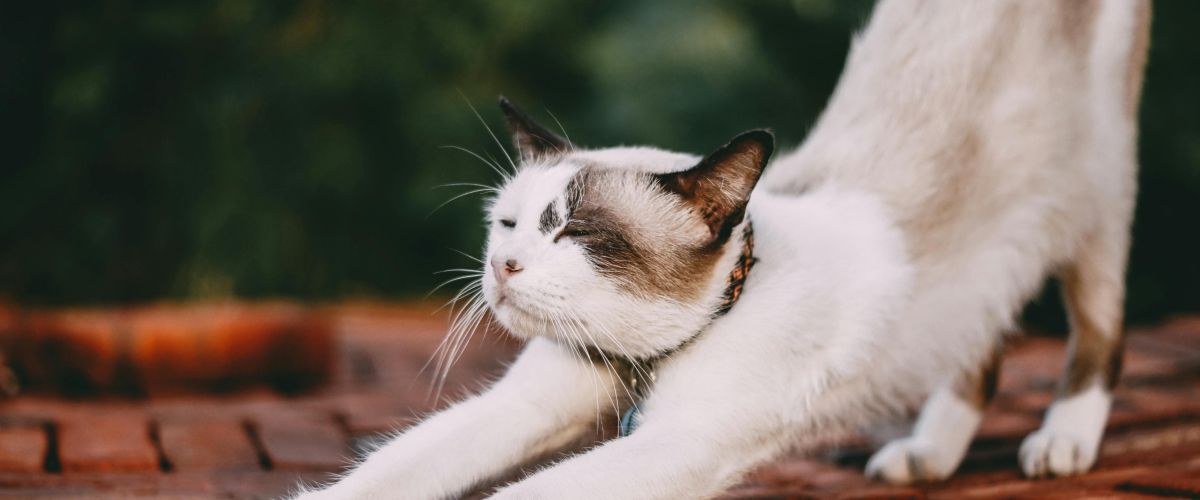
Cats use a combination of body language, vocalizations, and behavior to communicate their feelings and intentions. Here are some common cat body language signals and what they might mean.

Remembering our pets involves cherishing the memories and bonds we shared with them. Here are some meaningful ways to honor and remember our beloved pets.